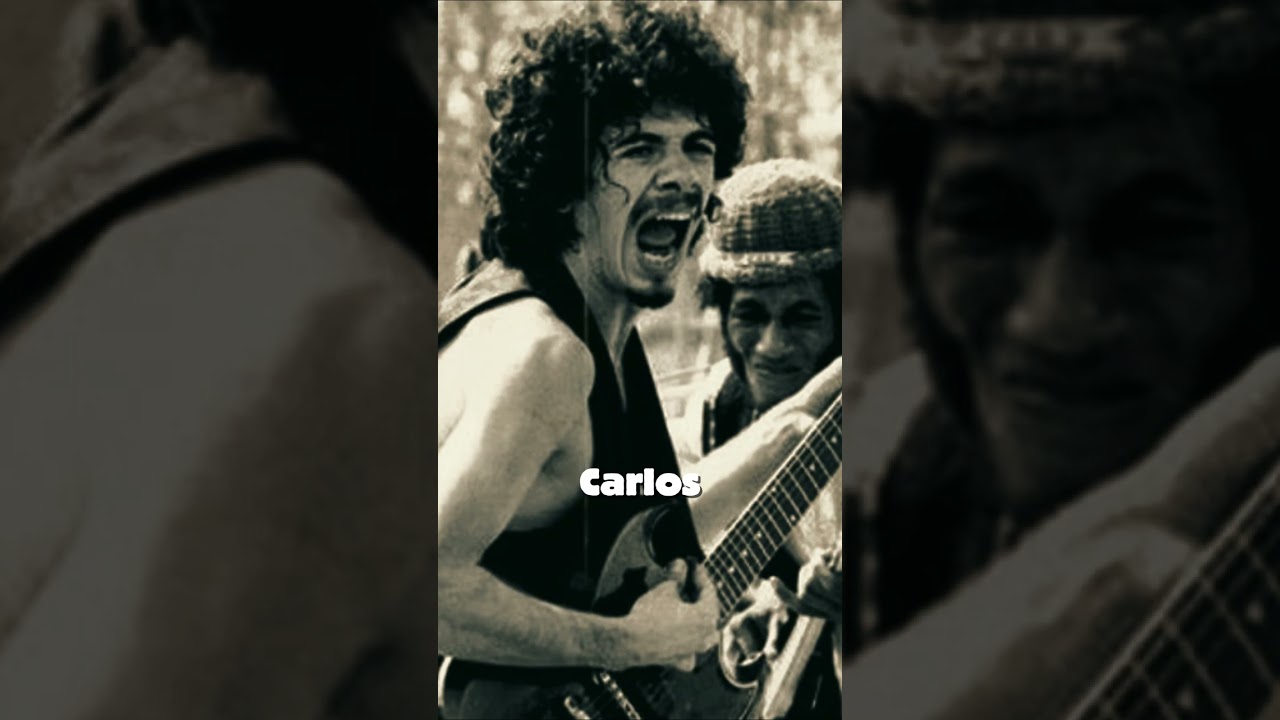
Santana were not yet famous when they played Woodstock in August 1969. Then “Soul Sacrifice” happened.
They were a San Francisco band whose debut album was arriving that same month, and their sound did not fit neatly inside the standard shape of a rock group. That difference became an advantage on a festival stage crowded with established names.
Rhythm at the center
Santana's guitars were sharp and Gregg Rolie's organ pushed hard, but the percussion did not sit behind the performance as decoration. It drove the entire piece.
During “Soul Sacrifice,” the set stopped feeling like a normal spotlight for a guitarist. Carlos Santana's lines cut across the rhythm, Rolie kept the organ burning, and drummer Michael Shrieve took over the stage with a solo that made the whole band feel like one physical machine.
The performance worked because every element appeared to be moving at once without losing the central pulse. Viewers did not need to know the band's history or own a previous record. The intensity explained Santana immediately.
Discovery in real time
Woodstock featured plenty of artists who arrived with established reputations. One of its most electric surviving moments came from a group much of the wider audience was still discovering as it played.
That is the special power of the “Soul Sacrifice” footage. It preserves more than a strong festival performance. It shows the moment an audience realizes that a band belongs on a stage of that size.
“Soul Sacrifice” did not merely make Santana look good at Woodstock. It made Woodstock feel like the place where Santana had to happen.