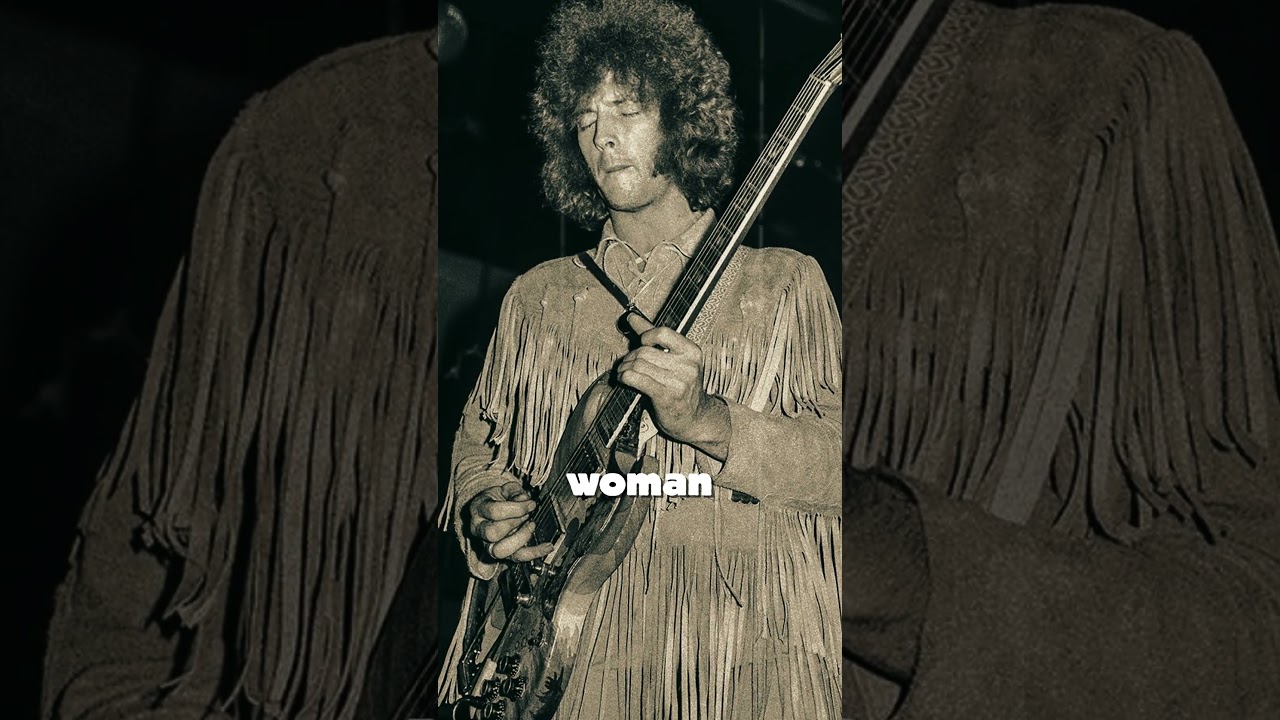
Jack Bruce wrote the central riff of “Sunshine of Your Love,” then built the song with lyricist Pete Brown and Eric Clapton. It still sounds heavy because Cream did something unusual for a band full of virtuosos: they stopped competing long enough to make one figure feel unavoidable.
The riff is simple enough to remember after one listen. The performance around it is anything but simple.
Where did the riff come from?
The most repeated version of the story begins after Bruce heard the Jimi Hendrix Experience in London in January 1967. Bruce and Brown worked through the night. Near dawn, Bruce picked up his double bass and found the descending phrase; Brown looked out the window and found the opening image: “It's getting near dawn.”
That origin story survives because it fits the record so well. A bass player responds to Hendrix, a poet notices the light, and a power trio turns both details into a song that seems to walk into the room sideways.
Jack Bruce's official biography identifies “Sunshine of Your Love” among the songs he wrote and sang and calls its central figure perhaps the world's most performed guitar riff. A contemporary TIME profile of Bruce credits Brown's lyric contribution and Clapton's work on the chorus.
The writing credit belongs to Bruce, Brown, and Clapton. The identity of the song begins with Bruce's riff, but it does not end there.
Why the groove feels heavier than 1967
Cream could stretch blues material until the borders disappeared. On “Sunshine of Your Love,” the band compresses that power.
Bruce and Clapton double the main figure, giving it the weight of a single oversized instrument. Ginger Baker does not answer with a standard rock backbeat. His tom-heavy pattern makes the groove feel ceremonial and slightly displaced. The drums do not merely keep the riff moving. They make it stalk.
Then the strange part becomes clear: the spaces are doing as much work as the notes. Every pause lets the phrase reset with full weight. A busier arrangement would have made the musicians sound impressive. This arrangement makes the song sound inevitable.
The result connected blues, psychedelia, and the harder rock vocabulary that followed. It is possible to hear the late sixties changing inside four bars.
What is Eric Clapton's “woman tone”?
Clapton's solo supplies the other famous sound. Guitarists usually describe his “woman tone” as a thick, rounded voice created with the guitar's tone control rolled down, the volume and amplifier working hard, and the neck pickup emphasizing sustain over sharp attack.
Gear is only part of it. The solo opens by nodding to “Blue Moon,” a sly melodic choice inside a track that otherwise seems built from brute force. Clapton's notes do not cut across Bruce and Baker. They hang above them.
The tone works because it belongs to the arrangement's larger argument. The riff has edges. The solo melts them.
Why did the song become Cream's signature record?
“Sunshine of Your Love” appeared on Disraeli Gears in 1967 and became Cream's defining single. It translated the danger of the live trio into a form radio could carry without making the band sound small.
That balance is difficult. Cream still sound like three players capable of running in different directions, but the song gives them one center of gravity. Bruce carries the melody and riff. Baker makes the rhythm feel older and stranger than a normal backbeat. Clapton waits for the moment when one sustained note can do more than a dozen fast ones.
The performance data in Karambit Daily's own archive tells the same story from a modern angle. The “Sunshine of Your Love” package reached more than 116,000 Facebook views because the hook was literal: three famous musicians, one familiar riff, and a concrete explanation for why it still feels large.
Cream did not make “Sunshine of Your Love” immortal by playing less well. They made it immortal by making every large personality serve the same four bars.
Watch and keep reading
- Watch the Karambit Daily breakdown on YouTube
- Find “Sunshine of Your Love” in the 100 greatest progressive-rock songs
- Read why Deep Purple's “Child in Time” still feels frightening
- Browse more song and studio stories