The Karambit List
100 Greatest Progressive-Rock Songs
A century of suites, riffs, strange meters, quiet rooms, and melodies strong enough to carry all that ambition.
This ranking values composition, performance, emotional force, influence, and the ability to make complexity feel necessary. Length is not a virtue by itself, and virtuosity earns nothing when the song underneath disappears. The list begins with proto-prog roots, moves through symphonic, Canterbury, krautrock, RIO, neo-prog, and progressive metal, and treats the genre as a continuing argument rather than a museum built in 1973.
- 100
Sunshine of Your Love
Three virtuosos compress blues, psychedelia, and hard-rock weight into one proto-progressive riff.
Read the full story - 99
A Whiter Shade of Pale
Bach-shaped organ, surreal words, and soul phrasing opened a door before progressive rock had a settled name.
- 98
Winter Wine
Richard Sinclair sings fantasy with enough warmth to keep Canterbury whimsy from floating away.
- 97
Moon in June
Robert Wyatt's melody and wordplay survive jazz-rock turns that seem determined to dissolve the song.
- 96
Krautrock
A knowingly blunt title opens into drone, pulse, and studio texture that makes genre labels feel inadequate.
- 95
Jack the Ripper
Bassoon, violin, harmonium, and dread prove progressive music never required rock instrumentation to feel heavy.
- 94
Living in the Heart of the Beast
Political writing and chamber complexity refuse comfort while Dagmar Krause gives the argument a human edge.
- 93
Mëkanïk Dëstruktïẁ Kömmandöh
Invented language, massed voices, bass, and ritual repetition create a genre that still sounds self-contained.
- 92
Autobahn
Electronic repetition, melody, and motorway imagery redraw the route between krautrock and future pop.
- 91
Halleluwah
Jaki Liebezeit's impossible steadiness lets tape edits, guitar, and voice orbit for eighteen hypnotic minutes.
- 90
After the Flood
Organ distortion tears through near-silence and points from progressive rock toward post-rock.
- 89
Paranoid Android
Four sections turn social nausea into a modern suite concise enough to become a hit single.
- 88
Citizen Erased
Seven-string weight, piano quiet, and a floating coda reveal Muse before spectacle became the default.
- 87
Welcome Home
A concept universe enters the mainstream behind acoustic suspense and one arena-sized descending riff.
- 86
Cassandra Gemini
The band lets salsa rhythm, punk velocity, free noise, and recurring melody fight across thirty-two minutes.
- 85
Ghost of Perdition
Death-metal force, acoustic space, keyboards, and grief change places without breaking the song's spell.
- 84
Blackest Eyes
A huge metal riff and bright chorus conceal the most disturbing narrator in Steven Wilson's catalog.
- 83
Anesthetize
Seventeen minutes move from numb routine to metal force and a final section emptied of resistance.
- 82
Schism
A broken bass pattern becomes the exact physical shape of a relationship coming apart.
- 81
Lateralus
Counting patterns support a song about expansion, making the concept audible without reducing it to a trick.
- 80
Pull Me Under
Progressive metal reaches radio through a riff, an abrupt ending, and complexity that never blocks momentum.
- 79
Metropolis—Part I: The Miracle and the Sleeper
Virtuosity earns its place through recurring motifs, melodic payoff, and a story still opening outward.
- 78
Eyes of a Stranger
A concept album's finale turns surveillance, identity, and one enormous chorus into clean resolution.
- 77
Guardian
Twin guitars and John Arch's high drama push progressive metal beyond speed into architecture.
- 76
Atlantis
Cold War fear and symphonic scale give the Scottish neo-prog scene one of its largest canvases.
- 75
The Wake
Dark keyboards and Peter Nicholls's theater sharpen neo-prog into something less nostalgic and more haunted.
- 74
Easter
Steve Rothery's patient solo lets a political song pause long enough to become personal.
- 73
Grendel
An early band tests its long-form nerve through the monster's view of heroic myth.
- 72
Kayleigh
Neo-prog reaches pop radio without hiding the regret, guitar tone, or album-scale story behind it.
- 71
Script for a Jester's Tear
Fish's heartbreak and the band's Genesis inheritance give neo-prog its first convincing emotional identity.
- 70
Three of a Perfect Pair
A bright surface and asymmetrical pulse make difficult eighties Crimson sound almost like pop.
- 69
Indiscipline
Adrian Belew's anxious monologue and Bruford's drums turn admiration into a controlled breakdown.
- 68
Elephant Talk
Chapman Stick, guitar synthesis, and alphabetized language announce an entirely new Crimson body.
- 67
Discipline
Interlocking patterns shift underneath the listener while four musicians make control feel weightless.
- 66
Frame by Frame
Two guitars phase against one another until arithmetic creates a bright, nervous form of release.
- 65
Knots
R. D. Laing becomes interlocking a cappella logic before the instruments tie the argument tighter.
- 64
The Advent of Panurge
A literary character enters through funk, madrigal voices, and a band changing meters without losing humor.
- 63
Pantagruel's Nativity
Medieval color, heavy guitar, and layered voices establish Gentle Giant's strange balance of force and delicacy.
- 62
Free Hand
Vocal counterpoint and rhythmic puzzles arrive with the confidence of a band no longer explaining itself.
- 61
Knife-Edge
Janáček, Bach, fuzz bass, and Greg Lake's warning vocal compress ELP's ambition into one hard track.
- 60
Lucky Man
A simple ballad ends with a Moog solo that introduced electronic color to millions.
- 59
Toccata
Ginastera becomes percussion, synthesizer shock, and proof that adaptation can sound genuinely dangerous.
- 58
Funeral for a Friend / Love Lies Bleeding
A synthesizer funeral opens into piano rock large enough to make the transition feel inevitable.
- 57
The Logical Song
A sharp pop chorus carries questions about schooling, identity, and language into the mainstream.
- 56
Rudy
Train sounds and dramatic section changes serve a lonely character instead of distracting from him.
- 55
Crime of the Century
The album's final theme rises through saxophone and orchestration like a verdict arriving slowly.
- 54
School
A playground scream, harmonica, and piano build a compact rebellion with meticulous pop architecture.
- 53
Nimrodel / The Procession / The White Rider
Tolkien imagery matters less than the way Latimer's guitar makes the procession visible.
- 52
Lady Fantasy
Melody, fuzz guitar, and soft-focus atmosphere give Camel's romantic suite uncommon staying power.
- 51
Locomotive Breath
A piano introduction gathers speed until the whole arrangement becomes the train it describes.
- 50
My God
Ian Anderson turns institutional religion into a flute-driven confrontation with room for genuine spiritual anger.
- 49
Aqualung
A filthy guitar riff and quiet acoustic observation refuse to let the title character become scenery.
- 48
One of These Days
Two bass parts, wind, and delayed threat make repetition feel like a machine approaching.
- 47
Careful with That Axe, Eugene
Whispered bass and organ hold the room still until one scream changes the air pressure.
- 46
Atom Heart Mother
Choir, brass, collage, and a rock band struggle productively inside one gloriously unstable suite.
- 45
Wish You Were Here
A radio and two acoustic guitars reduce progressive production to the distance between people.
- 44
Time
Clocks, rototoms, blunt mortality, and one perfect solo make concept-rock anxiety universally legible.
- 43
Comfortably Numb
Two voices divide body from mind before Gilmour's final solo says what neither character can.
- 42
The Spirit of Radio
A bright guitar figure carries reggae turns, shifting meters, and an argument about commercial freedom.
- 41
Tom Sawyer
Synthesizers, odd meter, and a massive riff compress Rush's progressive language into radio scale.
- 40
Cygnus X-1 Book II: Hemispheres
Rush answer a cosmic cliffhanger with a disciplined argument between reason, feeling, and balance.
- 39
Cygnus X-1
A black-hole journey ends unresolved, with Geddy Lee pushing terror beyond the edge of comfort.
- 38
2112
A science-fiction suite gave hard-rock listeners a direct road into progressive scale and saved Rush's nerve.
- 37
In the Cage
Rael's panic becomes interlocking keyboards, clipped guitar, and one of Gabriel's most physical vocals.
- 36
The Carpet Crawlers
Inside a dense concept album, one patient melody makes submission, longing, and repetition instantly human.
- 35
The Lamb Lies Down on Broadway
A hard New York piano pulse opens Genesis's strangest story with unusual directness.
Read the full story - 34
The Cinema Show
Myth, domestic observation, and a seven-eight keyboard ascent meet without forcing the seams.
- 33
Watcher of the Skies
One Mellotron chord opens a deserted planet before the rhythm section begins walking across it.
- 32
Epitaph
Mellotron, acoustic guitar, and Greg Lake's restraint make civilizational collapse sound painfully dignified.
- 31
Child in Time
Cold War fear rises from near silence to Ian Gillan's defining scream and a furious release.
Read the full story - 30
Proclamation
Counterpoint and political unease lock together with a groove far tougher than the notation implies.
- 29
Song Within a Song
Camel make melancholy feel weightless through patient keyboards, flute, and Andrew Latimer's lyrical guitar.
- 28
Nine Feet Underground
Canterbury warmth keeps a side-long suite melodic, witty, and more welcoming than its structure suggests.
- 27
Hocus Pocus
Hard riffing, flute, yodeling, and absurd speed work because the band commits without apology.
- 26
Peaches en Regalia
Three and a half minutes prove that intricate arranging can be colorful, funny, and immediately singable.
- 25
YYZ
An airport code in Morse rhythm becomes a precise, playful instrumental sound of homecoming.
Read the full story - 24
La Villa Strangiato
Rush turn a surreal dream into nine linked instrumental sections that still breathe like a band.
- 23
Awaken
Harp, organ, choir, and a patient central ritual let late-classic Yes reach genuine transcendence.
- 22
The Musical Box
A Victorian nightmare grows from delicate guitar into an ending theatrical enough to change Genesis onstage.
- 21
Tubular Bells, Part One
Layer by layer, one young musician turns the studio itself into a long-form instrument.
- 20
The Court of the Crimson King
Mellotron grandeur and a simple descending melody give progressive rock its first complete throne room.
- 19
Dancing with the Moonlit Knight
English character writing, choral poise, tapping guitar, and sudden force share one constantly opening arrangement.
- 18
The Gates of Delirium
War becomes organized noise before Soon arrives as the fragile reason the whole battle mattered.
- 17
Heart of the Sunrise
Chris Squire's bass drives brutal precision into one of Jon Anderson's most open, vulnerable melodies.
- 16
Red
A compact instrumental riff creates the bridge from seventies prog to post-rock and progressive metal.
- 15
Larks' Tongues in Aspic, Part One
Percussion, violin, silence, and crushing guitar reinvent what a rock band can count as tension.
- 14
Dogs
A long corporate nightmare stays personal through Gilmour's guitar and Waters's exhausted final judgment.
- 13
Karn Evil 9
A carnival, a piano concerto, and a machine revolt meet at prog's most unapologetic scale.
- 12
Xanadu
Rush balance atmosphere, narrative, tuned percussion, and hard-rock force inside one immaculate long form.
- 11
A Plague of Lighthouse Keepers
Isolation becomes a violent suite where Peter Hammill's voice keeps reason from fully collapsing.
- 10
Firth of Fifth
Tony Banks's architecture and Steve Hackett's sustained guitar make grandeur feel earned rather than announced.
- 9
Tarkus
Keyboard force and shifting meters turn an armored creature into a coherent side-long argument.
- 8
Shine On You Crazy Diamond
Four guitar notes carry memory, guilt, distance, and the absent center of Pink Floyd's history.
- 7
Thick as a Brick
A continuous mock-epic keeps changing shape while Ian Anderson's central melody holds the joke together.
- 6
Roundabout
Acoustic harmonics, bass thunder, odd turns, and a huge chorus make complexity feel immediate.
- 5
Starless
A mournful melody survives one of rock's longest, tensest climbs and returns transformed.
- 4
Echoes
A single piano note opens into deep water, noise, patient return, and genuine human connection.
- 3
Supper's Ready
Seven linked scenes move from domestic unease to apocalypse without sacrificing character or melody.
- 2
21st Century Schizoid Man
Metallic weight, jazz attack, distortion, and dread announce a new rock vocabulary in seven minutes.
- 1
Close to the Edge
Eighteen minutes of recurring themes, spiritual lift, and ensemble precision that never loses its destination.
One more thing
Three stories in motion
Watch on youtube
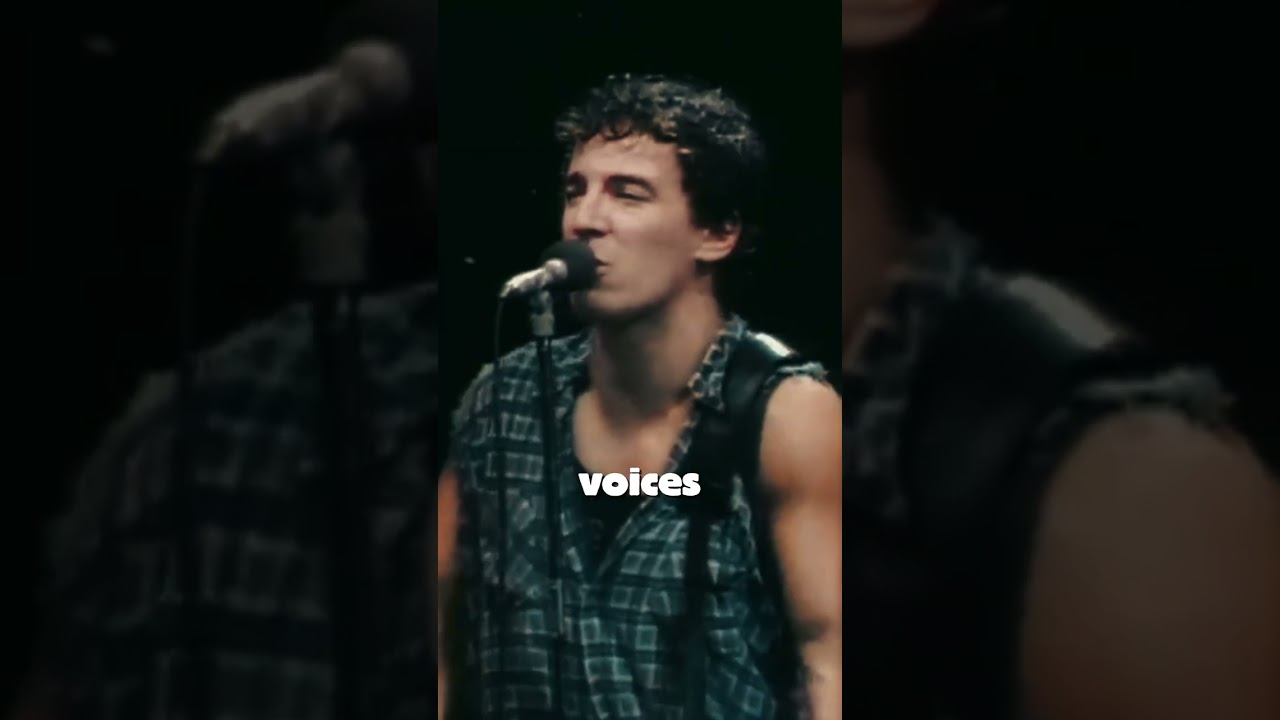
Why Born to Run Took Bruce Springsteen Six Months
Bruce Springsteen spent six months and dozens of takes building the Wall of Sound inside “Born to Run.” The density makes the song's escape feel urgent.

Watch on youtube
Why ELO's Don't Bring Me Down Has No Strings
ELO's “Don't Bring Me Down” was the band's first single without a string section. Jeff Lynne replaced the obvious orchestra with a huge beat, stacked vocals, and direct rock production.
Watch on youtube
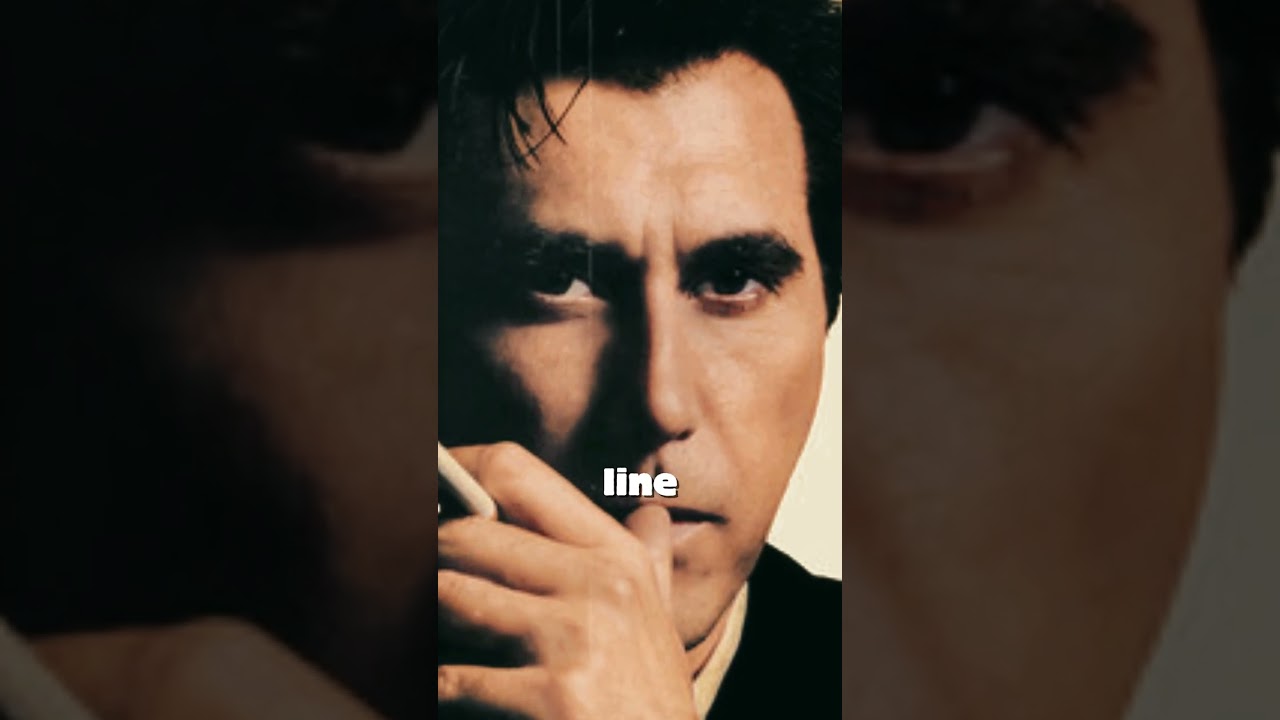
Why Roxy Music's Love Is the Drug Bassline Works
John Gustafson's bassline gave Roxy Music's “Love Is the Drug” its addictive motion and later influenced Nile Rodgers.